Start With What You Already Have
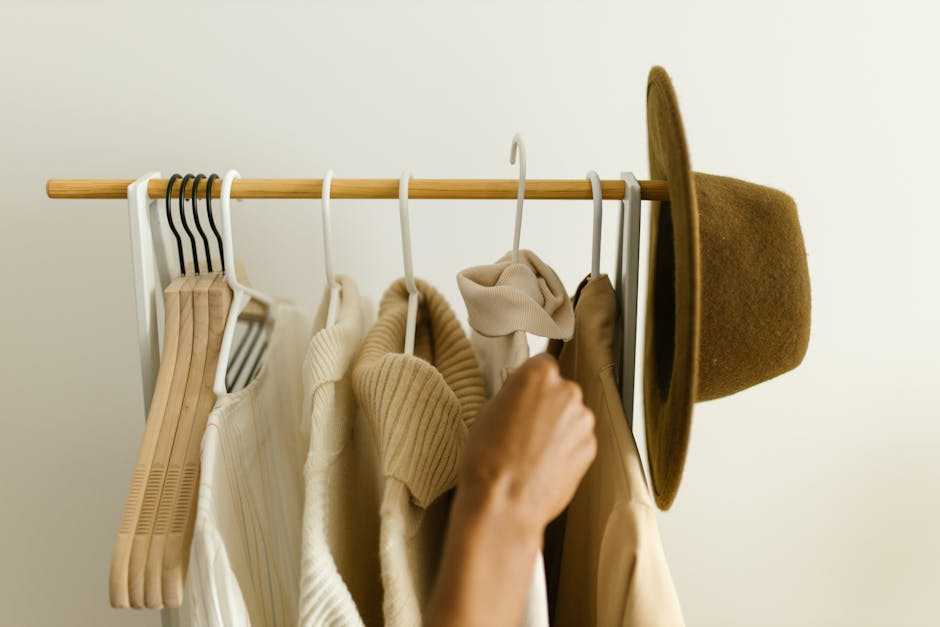
Before you buy anything or grab the scissors, step into your own closet. Pull everything out. Yes, everything. Sort it by wearability (would you honestly still wear this?), fabric quality (thick, breathable, still holding shape?), and sentimental value (stuff you’re attached to for whatever reason). You’ll quickly find that not everything deserves a second life, but the right pieces are already there, waiting.
Focus on items with real potential: denim that’s a little too worn, cotton tees with faded prints, button downs that don’t fit right anymore, and oversized pieces begging for a makeover. These are your raw materials. They’re versatile, forgiving, and full of options.
Materials matter. Natural fibers like cotton, linen, and wool work better for upcycling. They take dye well, hold a stitch, and breathe easy. Synthetic blends? Trickier. They resist change and rarely feel as good when altered. Keep it simple. Keep it real. Your next favorite piece might be something you were about to donate.
Simple DIY Transformations That Work
You don’t need to be a pro to turn old clothes into something worth wearing again. Start with jeans they’re sturdy, forgiving, and full of potential. Cut them into high waisted shorts, use the leftover legs for patchwork skirts, or turn them into slouchy tote bags. Just keep your stitches strong if you plan to carry anything heavier than a phone.
Worn out tees? Don’t toss them. Crop them clean and stitch on a bold hem or tie the front for a looser, layered feel. If the fabric’s thin, lean into that layer or knot it to add dimension.
Patches, trims, or simple embroidery can breathe life into faded basics. Cover up holes or make a mark that’s all yours. A plain tee with chainstitch or a back patch can go from throwaway to staple.
Got button up shirts that never fit quite right? Cut and rework them into wrap tops flattering, adjustable, and designed to feel custom. Or add darting and contrast panels to give them a sharper, more structured silhouette that works dressed up or down.
Skip the perfectionism. Good scraps and a little sweat go a long way.
Tools and Materials to Keep on Hand
Having the right tools makes all the difference when you’re upcycling old clothing. Whether you’re a no sew newbie or ready to dive into more advanced projects, stocking a basic toolkit will help you bring your visions to life with fewer headaches and better results.
Cutting and Shaping Essentials
Fabric scissors: Invest in a sharp, high quality pair that glides through thick fabrics without fraying the edges.
Seam ripper: A must have for deconstructing garments cleanly and precisely. Ideal for removing tags, seams, or buttons without damage.
No Sew Fixes
Fabric glue: Great for attaching appliqués, hems, or trims when you’re in a hurry or not ready to sew.
Iron on hemming tape: Perfect for quick edge fixes or structured folds on delicate fabrics without stitching.
Sewing Staples
Needles and thread: Keep a variety on hand to match fabric weights and colors.
Measuring tape: Essential for marking cut lines and ensuring proper fit.
Thrifted sewing machine: Not a must for beginners, but highly useful if you’re planning frequent upcycles or want more polished results.
Create Visual Impact
Fabric dye: Ideal for reviving faded colors or giving a piece a bold new hue.
Bleach for reverse tie dye: Use it carefully to create unique patterns by removing color from dark garments.
Textile paints: Add artwork, slogans, or custom patterns to any piece for a truly personal touch.
Keeping these tools within reach allows you to confidently tackle a variety of upcycling projects without constantly running to the craft store.
Style Inspiration from Reclaimed Fashion
Reimagining your wardrobe doesn’t have to start from scratch creative direction is all around you. Finding style inspiration is an essential part of upcycling, helping clarify your aesthetic and spark new ideas for transforming older pieces.
Follow Indie Creators and Upcycling Accounts
Get ideas from those who’ve made upcycling an art form. Many creators specialize in turning second hand staples into high style statements. Look for:
DIY fashion influencers on YouTube and TikTok
Instagram accounts focused on sustainable style
Niche fashion blogs with upcycled outfit tutorials
By observing different techniques and approaches, you’ll gain the confidence to try things your own way.
Blend Vintage and Modern Aesthetics
The most exciting looks often come from mixing eras and textures. Reinvent your clothes by playing with contrast:
Pair structured vintage pieces with soft, flowy fabrics
Combine bold patterns with neutral basics
Modernize classic cuts with unexpected tailoring or accents
This balance of old and new keeps your style fresh while honoring what already exists in your closet.
Use Mood Boards and Visual Guides
Don’t underestimate the power of planning. Platforms like Pinterest help you:
Curate the looks you’re drawn to
Spot patterns between styles, colors, and silhouettes
Stay focused while planning your upcycle projects
Creating digital or physical mood boards can streamline your design process and ensure your revamped pieces match your vision.
Upcycling is a visual journey get inspired, stay curious, and let your creativity reshape your wardrobe.
Make Sustainability Social
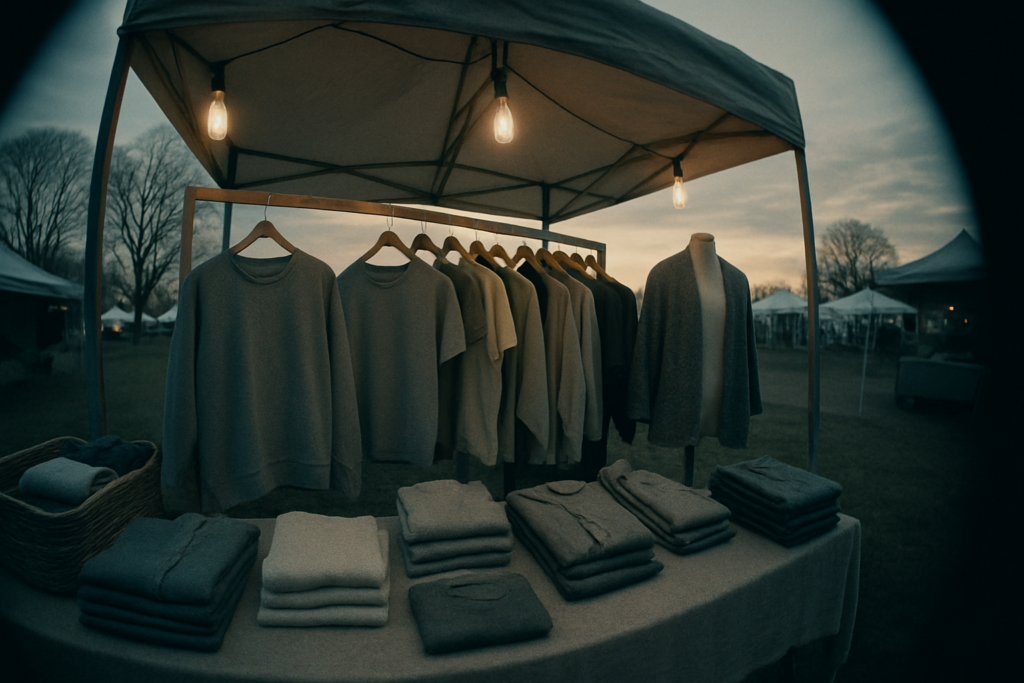
Upcycling doesn’t have to be a solo project. A great way to shake things up and refresh your wardrobe without spending a dime is to organize or host a clothing swap. It’s simple: invite a few friends, bring a few items you’re ready to part with, and trade pieces. It scratches the same itch as shopping, minus the waste.
Document the process. Snap before and after shots when you upcycle swapped pieces and post them to social. It helps others see what’s possible, even with clothes most people overlook. If it’s not about the trend, make it about the transformation.
Also: share skills. Maybe you’re decent with dye but can’t thread a machine. Maybe your friend’s great at fixing zippers but isn’t into design. Trade knowledge the same way you’d trade a jacket. Everyone levels up, and you build a stronger creative circle in the process.
Final Push: Quality Over Quantity
Not every old t shirt deserves a second life. Upcycling works best when you’re intentional. Focus on timeless shapes pieces that can work across seasons, with a few tweaks. Think well fitted button ups, clean cut denim, or that lived in tee you always reach for. These are your foundation.
Fit matters. So does comfort. A repurposed piece that pulls weird or feels awkward won’t get worn no matter how cool it looks on the hanger. Upcycling isn’t about squeezing use out of everything. It’s a chance to ask yourself, does this still feel like me?
In the end, this is less about saving a garment, more about owning your look. There’s freedom in choosing what stays and what gets reinvented. Your closet should serve you, not guilt you into DIY projects that end in landfill anyway. Reclaim your pieces, your way.