The Basics Behind the Label
“Organic” isn’t just a marketing term it actually means something, and what it means depends on the product and where it’s from. In food, organic refers to how ingredients are grown, harvested, and processed. That typically means no synthetic pesticides, no GMOs, no artificial additives. In cosmetics, organic labeling focuses more on plant based ingredients and how they’re sourced and processed no synthetic fragrances, no petroleum byproducts. For textiles, like cotton, organic means the crop was grown without toxic chemicals and meets certain environmental and labor standards.
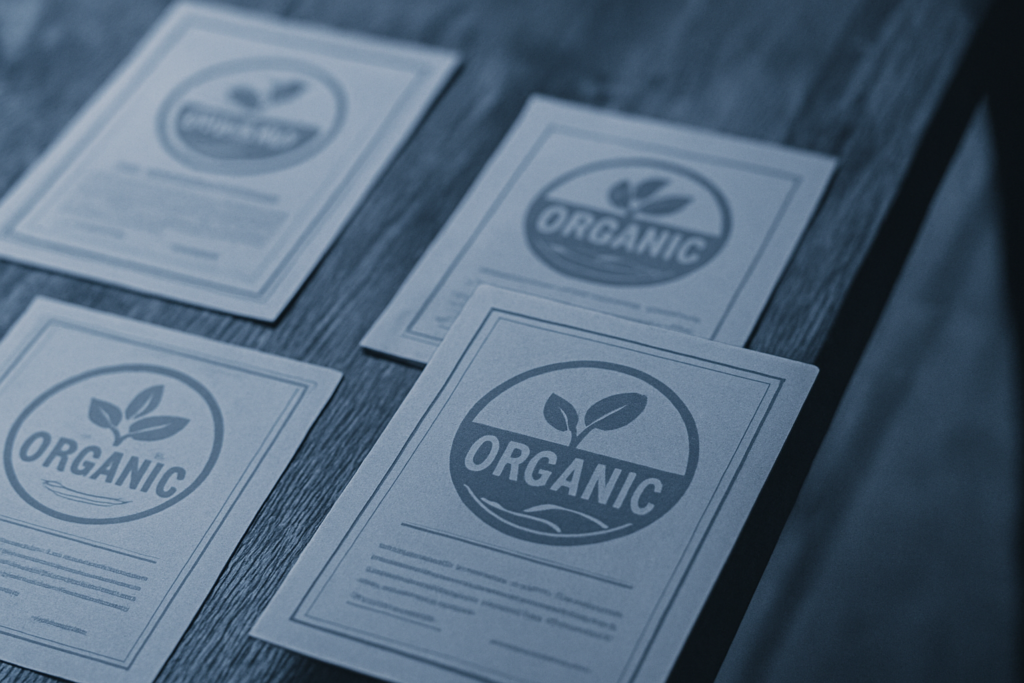
The standards behind the “organic” label are set by organizations like the USDA (in the U.S.), EU Organic (in the European Union), and others like COSMOS in cosmetics. These certifying bodies have established guidelines for farming methods, processing protocols, and labeling practices. Products have to go through audits and meet strict rules before they can wear that stamp.
Getting certified isn’t easy, and it’s not cheap which is why real labels carry weight. Certification is a layered system built to protect consumers and build trust. When done right, it’s proof that a product meets a higher bar not just in ingredients, but in ethics, sustainability, and safety. It’s way more than feel good marketing it’s regulated accountability.
Organic vs. “Natural” Key Distinctions
Let’s get this straight: “natural” doesn’t mean organic, and assuming otherwise is where most people go wrong. The word “natural” sounds clean and harmless, but legally, it’s vague and mostly unregulated in many countries. Unlike certified organic, which follows strict rules, “natural” can be slapped on products with minimal oversight. That hand cream with the dew soaked label might still have synthetic preservatives or ingredients processed with chemicals.
In the U.S., for example, there’s no formal definition of “natural” for cosmetics or household goods. Food has some guidelines, but even those leave plenty of room for interpretation. Companies can sneak in additives or use industrial processes and still call it natural. That’s the loophole.
When it comes to sourcing, “organic” requires third party certification confirming environmentally responsible farming, no synthetic pesticides, no GMOs, and clear traceability from seed to shelf. “Natural” products? They can use wild sourced or minimally processed ingredients, but no certification is required. Processing and labeling are usually at the discretion of the brand so you’re trusting marketing, not standards.
Bottom line: if a product says “natural,” dig deeper. It might be clean. Or it might just be clever packaging. For a deeper breakdown, check out this guide: natural vs organic info.
Certifications That Actually Count

Not all organic labels are created equal. Some stand on decades of global trust, others are marketing smoke and mirrors. Here are the seals that actually mean something:
USDA Organic
This is the gold standard in the U.S. To get certified, products must be grown and processed without synthetic fertilizers, pesticides, genetically modified organisms (GMOs), or irradiation. The USDA also requires yearly inspections and a full audit trail from farm to shelf. If the seal says “100% Organic,” every ingredient qualifies. If it says just “Organic,” at least 95% of the ingredients must meet the standard.
EU Organic
Recognizable by a leaf made of white stars on a green background, the EU Organic label applies to products grown and produced in compliance with EU law. This includes stringent rules about pesticide use, animal welfare, and sustainability practices. Like the USDA, it also involves annual inspections and documentation.
COSMOS
A force in the cosmetic industry, COSMOS certifies beauty and personal care products. It covers both natural and organic components and looks at the full lifecycle of a product including ingredient sourcing, green chemistry practices, and packaging sustainability. There are two main tiers: COSMOS Organic and COSMOS Natural.
NSF/ANSI 305
This one’s specific to personal care products sold in the U.S. that contain organic ingredients. Because many beauty products use some synthetic materials for performance or preservation, they can’t meet full USDA Organic standards. NSF/ANSI 305 allows the use of the term “Contains Organic Ingredients” if 70% of the formula is organic and the remainder meets strict criteria.
Red Flags: Spotting the Fakes
Watch for seals that look official but aren’t tied to a verifiable standard. Legit certifications list the certifying body and often include certification numbers. If a product says “certified organic” with no listed organization or clickable proof, be skeptical. Also, phrases like “organically inspired” or “eco cert” (without a real certifier’s name) are classic greenwashing tactics.
If it’s truly certified, the details won’t be buried. Brands that go through the trouble of legitimate certification want you to know.
Why Organic Certification Matters
Organic certification isn’t just a feel good badge it’s tied to real world impact. At the environmental level, certified organic farming prioritizes soil health through crop rotation, composting, and reduced tillage. These practices protect topsoil and store more carbon. Unlike chemical heavy operations, organics also limit water pollution and support biodiversity by avoiding synthetic pesticides and herbicides that harm insects, birds, and soil life.
From a health perspective, certified organic products are grown and made without synthetic pesticides, GMOs, or chemical additives. That means fewer residues on your food and fewer unknowns in your skincare. For consumers looking to avoid hormonal disruptors or long term cumulative exposure, organic labels simplify decision making.
Just as important is what goes on behind the scenes. True organic certification enforces traceability and draws a clear line through the supply chain from seed to store. Ethical sourcing, fair labor practices, and transparent audits are part of the package. Without certification, it’s anybody’s guess where ingredients come from or how they were handled. In short: a certified organic label doesn’t just tell you what’s in the product, it tells you how it got there and why that matters.
What to Look for When You Shop
Front of pack claims are designed to catch your eye. “Organic,” “natural,” “eco friendly,” “green” they’re easy to spot and even easier to trust at a glance. Problem is, they don’t always mean what you think they do. That’s why reading beyond the bold print matters.
Start by flipping the product over. The ingredients panel and certification logos tell the real story. If a product says it’s organic but doesn’t carry a seal from USDA Organic, EU Organic, or another established certifier, that’s a red flag. Some brands toss around words like “organically grown” or “made with organic ingredients” without backing them up with certification. Those phrases can mean a handful of ingredients were organic, not the whole thing.
Look for clear logos from trusted certifying bodies not vague symbols or branded labels that mimic the look. If you’re unsure, many certifiers let you search a product or company on their database to verify claims. It’s quick, and it cuts through the noise. Bottom line: packaging is marketing. Certification is proof.
Stay Informed and Think Critically
Knowing what a label really means gives you control. It’s easy to get drawn in by shiny packaging and feel good words like “eco,” “green,” or “natural.” But unless there’s a meaningful certification behind those claims, it’s just marketing fluff. Smart consumers look past the front of the label and dig into what’s actually being promised and delivered.
Certifications aren’t just stamps, they’re systems. They tell you how something was grown, sourced, processed, and even shipped. If a product is truly organic, it’ll say so with documentation from certifiers like USDA or COSMOS. If it just says “natural,” don’t assume much. That word has no real regulation in many industries.
Bottom line: Don’t settle. Educate yourself. Ask what’s behind the seal. Skepticism isn’t negativity it’s smart.
For more on the natural vs. organic conversation, revisit: natural vs organic info
 is the visionary founder of Eco Elegance Technique, a platform dedicated to blending sustainability with beauty and fashion. With a background in environmental science and fashion design, Lauranne has spent her career pioneering eco-friendly practices in both industries. Her work has influenced a shift towards ethical sourcing, waste reduction, and the use of organic materials. Passionate about education, she frequently speaks at conferences and works to inspire others to embrace a sustainable lifestyle.