
Melting Ice, Rising Stakes
This season, Arctic sea ice has hit a grim milestone its lowest recorded levels since monitoring began. Satellite data confirms a stark retreat, with large swaths of normally frozen territory replaced by open water. It’s not just a climate statistic. Melting Arctic ice diminishes the planet’s natural cooling system, speeding up warming everywhere else.
Lower sea ice means more solar radiation absorbed by dark ocean water instead of being reflected back into space. The result? Higher global temperatures and a stronger feedback loop that keeps pushing in the wrong direction. Scientists are also linking these ice losses to shifts in weather patterns farther south from prolonged droughts to chaotic jet stream behavior.
There’s a human cost too. Rising global sea levels aren’t some distant scenario they’re already scraping at vulnerable coastlines. Tidal flooding is up. Infrastructure is at risk. And for science, the message is blunt: stop delaying policy action. Climate researchers across the board are calling for faster, more aggressive emissions cuts. Business as usual is now the risky option.
Heatwaves Redefining Normal
Extreme heat is no longer an occasional concern; it’s quickly becoming the norm across much of the world. In recent weeks, record breaking temperatures have swept across continents, sparking wildfires, straining power grids, and endangering public health.
Temperatures Shatter Expectations
Parts of Europe, Asia, and North America have hit all time highs
Prolonged heatwaves are arriving earlier and lasting longer
Nighttime temperatures are staying dangerously elevated, reducing relief time
These shifts aren’t just breaking records they’re rewriting the climate baseline.
Urban Heat Islands: Cities Bear the Brunt
Densely developed urban areas are experiencing intensified versions of these heatwaves due to a phenomenon known as the Urban Heat Island (UHI) effect.
Concrete and asphalt absorb and retain heat
Limited greenery worsens the heat amplitude
Vulnerable populations especially the elderly are at higher risk
Some cities now report increases of up to 7°C (13°F) above surrounding rural areas.
How Cities Are Responding (But Is It Enough?)
In response, city planners and local governments are scrambling to implement adaptive strategies, but progress remains uneven.
Common Adaptation Strategies:
Expanding green spaces and rooftop gardens
Deploying reflective and permeable pavements
Updating building codes for better heat insulation
Challenges Slowing Progress:
Insufficient funding and long term planning
Bureaucratic delays
A lack of coordination across government levels
While adaptation efforts are beginning to take shape, the pace of change is lagging behind the rate of climate impacts. Without faster, systemic responses, urban areas will remain dangerously exposed.
Major Win for Ocean Protection
The South Pacific just got a little more breathing room. Several new marine protected areas (MPAs) have been formally designated, covering over 400,000 square kilometers. These zones aim to shield coral reefs, migratory fish paths, and breeding grounds for endangered marine life from industrial fishing and deep sea mining. Countries like Fiji, Vanuatu, and the Cook Islands are leading the charge, stepping up in a region where marine biodiversity has long been under threat.
But what’s actually protected? While many of these MPAs ban major extractive activities, some are categorized as partial protections meaning regulated fishing and tourism are still on the table. The fine print varies. And that matters globally. As nations negotiate future ocean treaties, these designations are testing grounds for balancing preservation with coastal economies.
Now, enforcement. That’s the hard part. Declaring a zone protected is far easier than patrolling it. These waters are vast, and resources for oversight are limited. Drones, satellites, and community reporting networks are starting to plug those gaps, but compliance remains a shaky frontier.
Still, this is momentum. The world’s oceans need more of it and fast.
Global Reforestation Momentum
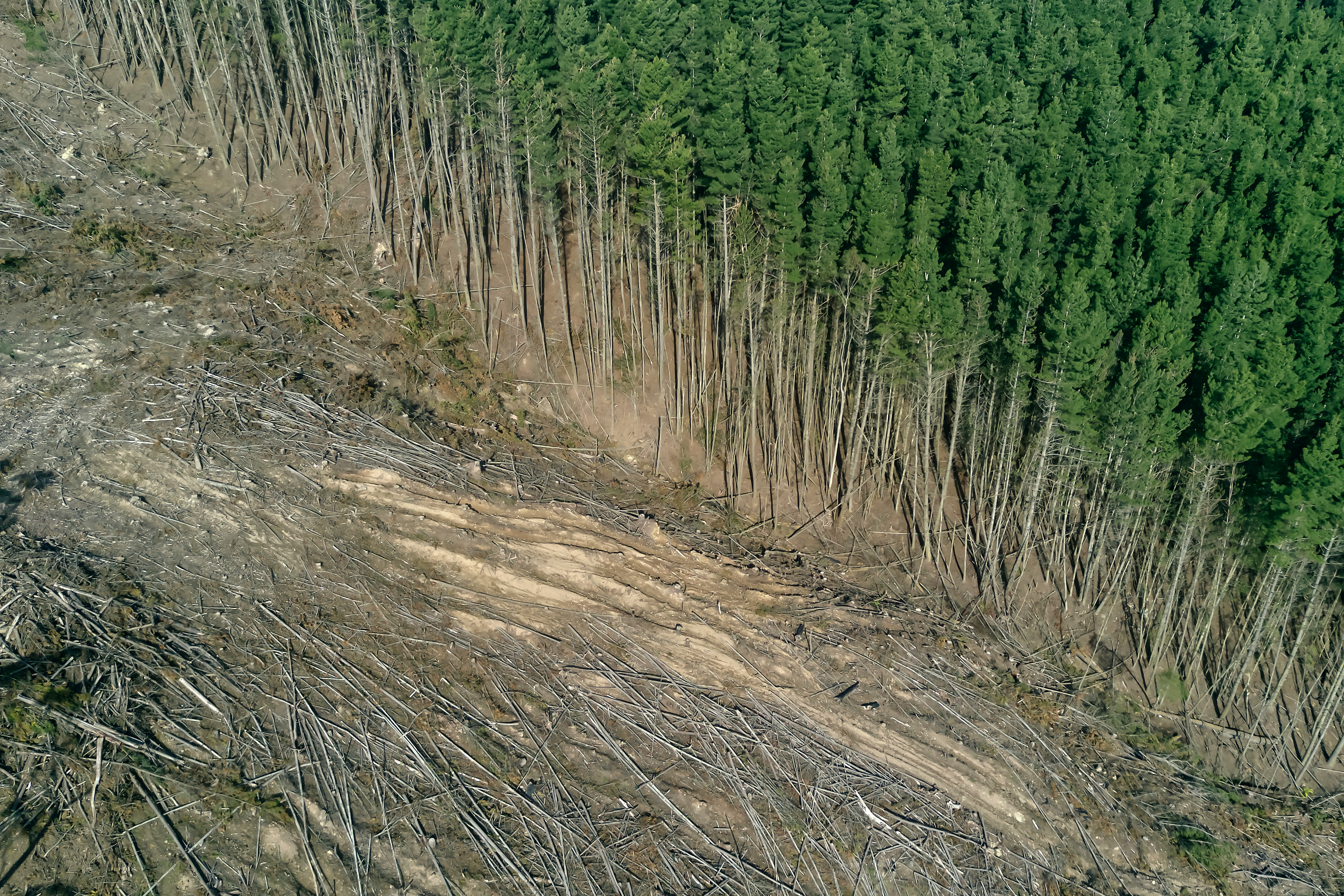
Reforestation is gaining traction worldwide, and this month marks several significant government led initiatives particularly across Latin America and Africa. These efforts are positioning forests not just as carbon sinks, but as critical tools for ecological resilience and community empowerment.
New Forest Revival Programs
Governments are stepping up with new commitments designed to restore millions of hectares of forested land:
Brazil, Colombia, and Peru have launched multi year restoration partnerships focused on eroded land and degraded ecosystems.
In Kenya and Ethiopia, national programs are engaging local farmers to encourage agroforestry and community planting projects.
Funding from international climate and development organizations is enabling scalable action in remote or vulnerable regions.
Indigenous Wisdom at the Core
Sustainable restoration often hinges on the involvement of Indigenous communities. Their deep rooted understanding of native ecosystems is proving essential:
Indigenous planting techniques prioritize biodiversity and soil health avoiding typical monoculture pitfalls.
Land stewardship traditions promote long term ecological balance over short term economic gain.
Continued collaboration between governments and Indigenous leaders is critical for culturally responsible and ecologically effective projects.
Why Reforestation Matters More Than Ever
Forests do more than pull carbon from the air. Here’s why restoring them is one of the most powerful tools against climate change:
Trees regulate local climate by moderating temperatures and increasing rainfall.
Reforestation boosts biodiversity, supporting everything from pollinators to apex predators.
Root systems prevent soil erosion and protect waterways strengthening agricultural resilience.
Want to Learn More?
Discover actionable strategies and the importance of forest biodiversity in our guide to supporting biodiversity.
It’s your planet. Restoration starts with awareness.
Eco Tech Disruption: Clean Energy Shifts Gears
Clean energy innovation is no longer a distant ideal it’s happening now, with large scale momentum across industries, governments, and research institutions. This month, a series of breakthroughs indicate how rapidly the tech landscape is shifting.
Battery and Solar Storage Breakthroughs
New advancements in battery chemistry and scalable solar storage are moving clean energy from intermittent to reliable.
Next gen lithium air batteries promise drastically longer charge times with lighter materials
Grid scale solar storage systems now function efficiently even after sunset
Reduced production costs make these technologies accessible to more countries and companies
Corporate Investments on the Rise
The Asia Pacific region is rapidly becoming a clean tech hotspot, with major corporations and startups alike investing big in sustainability.
Energy giants across Japan, South Korea, and Singapore are announcing new clean energy divisions
Strategic funding is flowing into localized battery facilities and next gen wind turbine designs
Governments are offering incentives to prioritize low emission infrastructure in public and private sectors
Early Adopters Will Lead the Next Decade
The organizations embracing eco tech now aren’t just reducing their carbon footprint they’re setting themselves up for future dominance.
Early adopters are building resilience against fluctuating energy markets
Clean tech integration opens new revenue streams in energy efficiency and green certification
Innovation minded companies will attract top talent and investor confidence
Clean energy isn’t an optional upgrade anymore it’s a competitive edge. As these technologies mature, the choice will no longer be whether to adopt, but how fast you can catch up.
Spotlight: Biodiversity at Risk
Insect Populations Are Plummeting
Researchers across Europe report a dramatic decline in insect populations. From pollinators like bees and butterflies to less studied species like beetles and ants, the downward trend is raising serious alarms for ecosystem stability. These creatures play essential roles in soil health, food production, and nutrient cycling.
Studies show up to a 75% loss in insect biomass in some regions
Habitat loss, pesticide use, and climate change are key drivers
Ecosystem collapse becomes a real possibility without intervention
New Additions to the Endangered List
This quarter, several species were officially added to the IUCN Red List of Threatened Species. Among them:
The European eel, further threatened by habitat degradation
The Iberian lynx, still critically endangered despite recovery efforts
Certain freshwater mussels, whose decline signals water quality issues
These designations aren’t just symbolic they often influence funding, policy, and conservation priorities.
What You Can Do Right Now
Conservation begins at the community level. Here are a few impactful steps individuals can take today:
Grow native plants to support local pollinators and insects
Avoid pesticide use in home gardens and support organic farmers
Reduce outdoor light pollution, which disrupts nocturnal insect patterns
Spread awareness share science backed info on biodiversity with your network
Dive Deeper
For more practical strategies and deeper insights, visit: Supporting Biodiversity: Actionable Tips and Strategies
Fast Facts You Should Know
Let’s keep it plain: Most of the environmental damage we’re seeing right now traces back to how we use land. Roughly 65% of global wildlife loss is directly linked to land use changes. Farming, logging, sprawling cities when we reshape the land, we push ecosystems to the edge, often past the breaking point.
Meanwhile, ocean temperatures have hit the highest levels ever recorded. Warmer waters disrupt marine life, fuel stronger storms, and throw global weather patterns into chaos. It’s a quiet shift with loud consequences.
Pollinators yes, the bees and butterflies we all forget outside spring are in real trouble. Declines across species aren’t just sad; they’re dangerous. About one third of the food we eat depends on pollinators. If they collapse, food supply chains wobble.
The takeaway? These aren’t abstract problems. They’re unfolding right now, shaping everything from the planet’s biodiversity to the produce in your fridge.
Stay Informed, Stay Ready
These stories aren’t background noise they’re signals. Each headline points to a real shift, and each one comes with a question: What are you going to do about it? Staying informed isn’t just about knowing facts; it’s about understanding how your everyday choices what you buy, how you vote, how you speak up fit into the bigger picture.
Change doesn’t need to be massive to matter. It needs to be steady and intentional. Read, learn, talk about what’s happening. From clean energy to reforestation to biodiversity collapse, there’s space for you to act. And momentum builds from awareness. Keep learning, stay sharp, and move with purpose. Every choice counts.
 is a passionate advocate for organic farming and sustainability, contributing extensively to Eco Elegance Technique. With a deep understanding of sustainable agricultural practices, Steveno has focused his career on educating others about the environmental benefits and challenges of organic farming. His work emphasizes the importance of soil health, biodiversity, and ethical farming practices. Steveno’s insights have helped shape the platform’s commitment to promoting eco-friendly solutions in the beauty and fashion industries.