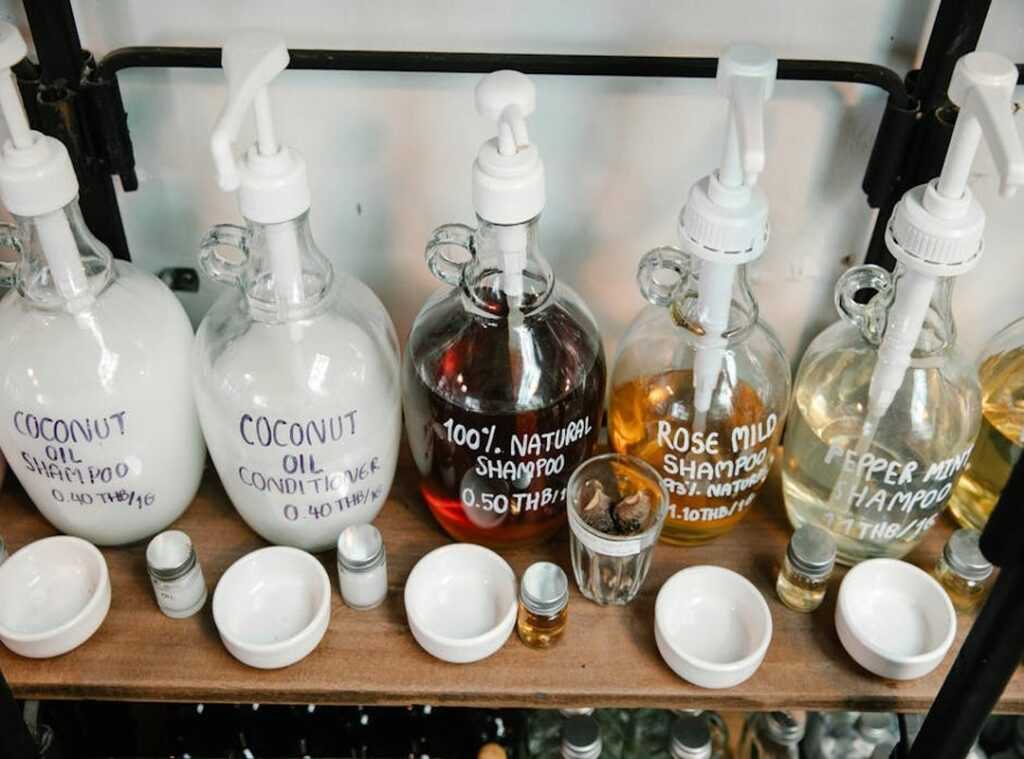
You stare at the bottle. Then you squint at the ingredient list. It looks like a chemistry final.
I’ve done it too.
And I’m tired of decoding shampoo labels like they’re ancient scrolls.
This article cuts through the noise.
It breaks down Shampoo Ingredients Luvizac (not) with jargon, but with plain talk and real science.
You’ll know what each one does. Why it’s there. And whether it actually helps your hair or just pads the label.
I don’t trust buzzwords.
I trust results you can see (and) formulations tested for effect, not just marketing.
By the end, you won’t just recognize the ingredients. You’ll understand their job. And why they belong in your routine.
The Hydration Heroes: Moisture Isn’t Magic. It’s Chemistry
I used to think “hydrated hair” meant slathering on oil and hoping for the best.
Turns out, that’s like locking the door before you turn on the lights.
Moisture starts inside the hair shaft. Not on top. Not in your conditioner bottle.
Inside.
Hyaluronic Acid pulls water from the air into the cortex. Glycerin does the same. But only if humidity is above 60%.
Below that? It can pull moisture out. (Yeah, I learned that the hard way.)
So no (humectants) aren’t always your friend. Especially in dry climates or heated rooms.
That’s where oils step in. Not as moisturizers. As seals.
Jojoba oil mimics sebum. Argan oil spreads thin and stays put. Coconut oil penetrates (but) only if your hair isn’t already oversaturated.
They don’t add water. They trap it. Like closing a lid on a steamy pot.
You need both. Not one or the other. Not more oil to fix dryness.
Not more glycerin to fix frizz.
The inside-out approach works. if you match the ingredients to your environment and hair type.
Ever wash your hair and feel soft immediately, then brittle by noon? That’s a seal failure. Or a humectant mismatch.
Luvizac uses this logic (no) fluff, no filler. Just targeted hydration built into the formula.
It’s why I check the Luvizac ingredient list before anything else.
Shampoo Ingredients Luvizac tells you exactly what’s doing the work (not) what sounds fancy.
Frizz isn’t caused by “lack of moisture.” It’s caused by uneven moisture distribution. Dry patches swell. Wet patches flatten.
The cuticle ripples. Shine disappears.
Seal the wet parts. Hydrate the dry parts. Don’t guess.
Skip the 12-step routine. Start with two things: a smart humectant and a precise sealant.
Your hair isn’t thirsty. It’s confused. Fix the signal (not) the symptom.
Hair Isn’t Just Hair (It’s) Protein, Period
Hair is mostly keratin. Not “kind of” or “mostly made up of.” It is keratin. A protein.
Like the stuff in your nails. Or your skin’s outer layer.
So when hair feels brittle? When it snaps mid-brush? That’s not just “dryness.” That’s keratin depletion.
I’ve seen people chase moisture for years while their hair kept breaking. Turns out, water can’t fix missing structure.
Hydrolyzed keratin is broken down into tiny pieces. Small enough to actually get inside the hair shaft. Not sit on top.
Not coat it like plastic wrap. Inside.
Same with amino acids like arginine. It’s not magic. It’s chemistry.
Arginine helps rebuild disulfide bonds (the) glue holding keratin chains together.
You know those split ends that won’t quit? That frizz after blow-drying? The way your hair stretches thin before snapping?
Those aren’t style problems. They’re structural failures.
Heat styling fries those bonds. Bleach rips them apart. Even shampooing too hard wears them down over time.
This isn’t about shine. It’s about tensile strength. About elasticity you can measure with a pull test.
Real repair means refilling gaps in the fiber itself. Not masking weakness with silicones.
Most drugstore shampoos don’t even try. They clean. Maybe condition.
But they don’t rebuild.
I go into much more detail on this in Hair luvizac ingredient.
If you’re serious about stronger hair, read the label. Look for hydrolyzed keratin. Look for arginine.
Look for cysteine or lysine too.
And avoid anything that lists “Shampoo Ingredients Luvizac” without explaining what’s in it.
Weak hair doesn’t need more product. It needs the right building blocks (delivered) where they belong.
Not on the surface. Inside. Where it counts.
Your Scalp Is Not a Doormat

I used to wash my hair like it was the only thing that mattered.
Turns out, I was scrubbing the wrong surface.
Your scalp is living tissue. It breathes. It sweats.
It gets clogged. Hair grows from it (not) on it.
If your scalp is inflamed or coated in buildup, no amount of expensive serum will fix what’s underneath.
You’re watering the leaves while the roots are suffocating.
Salicylic Acid? It peels away dead skin and gunk without stripping. Niacinamide?
It calms redness and boosts blood flow to follicles. (Yes, circulation matters (ask) any dermatologist.)
Aloe Vera isn’t just for sunburns. It cools irritation fast. And it doesn’t leave residue.
That’s rare.
These aren’t “nice-to-haves.” They’re non-negotiable if you want less flaking, less oiliness, and actual growth over time. Dandruff isn’t just dry skin. It’s often yeast feeding on excess sebum.
Fix the environment, and the symptom fades.
I stopped chasing thicker strands and started treating my scalp like skin.
Results showed up in six weeks.
The right Shampoo Ingredients Luvizac blend hits all three: exfoliate, soothe, nourish. Want the full breakdown? Check the Hair luvizac ingredient page.
Most shampoos ignore pH balance. Yours shouldn’t. Mine doesn’t.
Stop shampooing hair. Start caring for scalp. It’s not subtle.
It’s biological.
The “Free-From” Philosophy: What We Cut Out
I don’t believe in hiding behind “natural” labels while sneaking in known irritants.
Luvizac skips sulfates (SLS/SLES), parabens, and phthalates. Full stop.
Sulfates strip your scalp’s natural oils. Parabens? They’re linked to hormone disruption in some studies (not conclusive, but why risk it?).
Phthalates? Unnecessary plasticizers with zero benefit for hair.
This isn’t a trend. It’s basic respect for your skin and hair.
You shouldn’t need a chemistry degree to trust your shampoo.
I covered this topic over in Is luvizac shampoo good for hair.
Shampoo Ingredients Luvizac are chosen with that in mind (no) compromises, no loopholes.
I’ve seen too many people blame their dryness or itchiness on “hard water” when the real culprit was SLS in their bottle.
If you’re wondering whether skipping those ingredients actually makes a difference for your hair type, read more in this guide.
You Already Know What Your Hair Needs
I used to stare at shampoo bottles for three minutes. Same as you.
Confusing ingredient lists make you second-guess every purchase. You waste money. You waste time.
You get frustrated.
Now you understand the why behind Shampoo Ingredients Luvizac.
Not just names on a label. Not marketing fluff. Real hydration.
Real strength. Real balance (root) to tip.
Luvizac isn’t random chemistry. It’s built to work together.
You don’t need more products. You need the right one.
So pick one. Just one. Based on what your hair actually needs today.
Go ahead. Try it.
You’ve got the knowledge now. Use it.
Click into the Luvizac range and choose (no) guessing, no stress, no repeat mistakes.
This is how you stop fighting your hair.
 is a committed writer and environmental advocate at Eco Elegance Technique, specializing in sustainable practices, health, and wellness. With a background in environmental studies, Peter focuses on providing readers with practical advice on integrating eco-friendly habits into their daily routines. His work aims to inspire a deeper connection between personal well-being and environmental responsibility, making sustainability accessible and actionable for everyone.